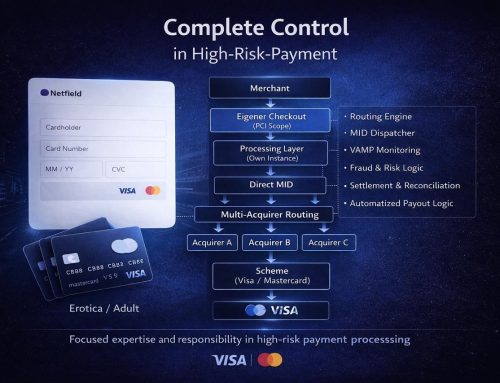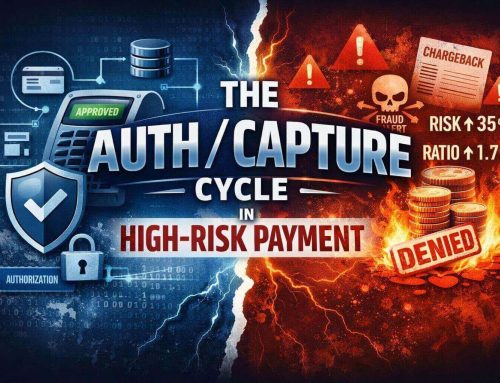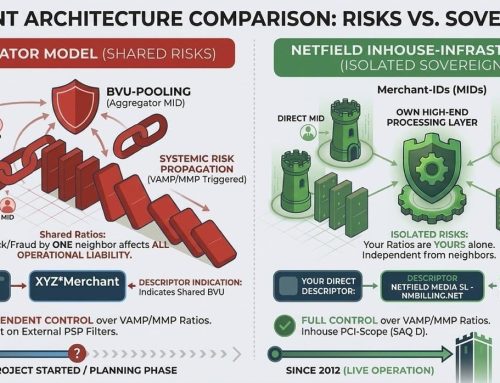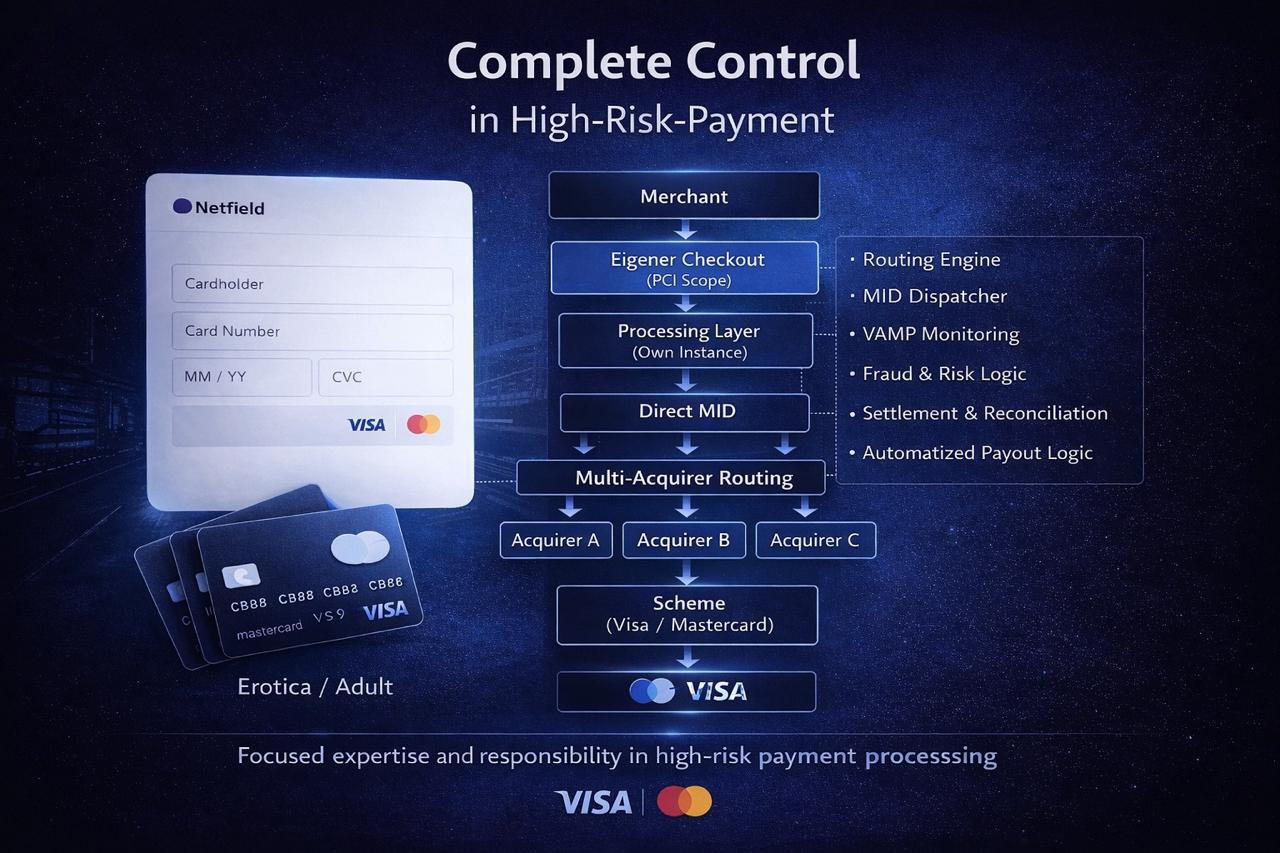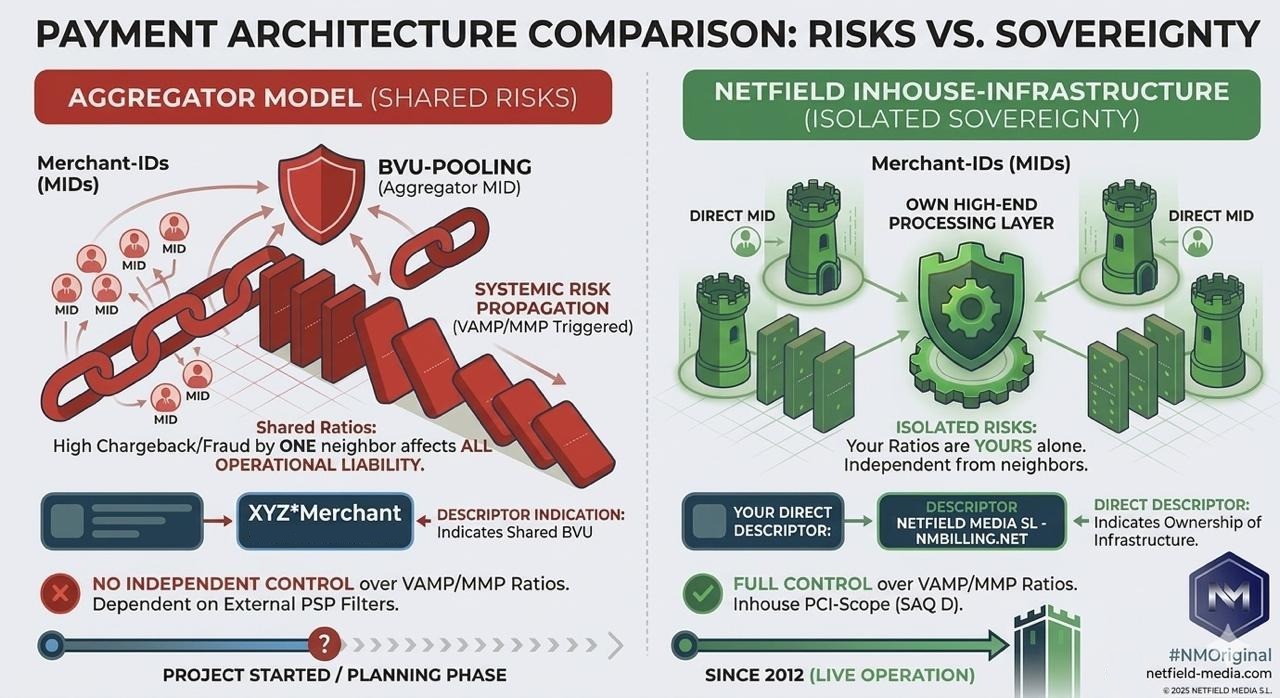
A Merchant of Record (MoR) is a company or organization that is legally and financially responsible for selling goods or services to the end customer. In the context of e-commerce and digital platforms, the Merchant of Record assumes full responsibility for completing sales transactions. This typically includes payment processing, compliance with tax regulations, and fulfilling all legal obligations related to the sale. In direct comparison, the differences between a merchant of record and a proprietary setup become particularly clear in the context of aggregator vs payment infrastructure.

In many digital business models, the Merchant of Record acts as the intermediary between the customer and the actual provider of the products or services. This model is particularly common in international online transactions, digital platforms, and subscription-based services. In addition to processing payments, the Merchant of Record often manages tasks such as customer service, refund handling, and dispute resolution related to transactions.

The role of a Merchant of Record is especially important for companies operating in international markets, offering digital products, or running complex online payment environments. By acting as the official seller of record, the MoR ensures that transactions comply with local regulations, tax requirements, and compliance standards across different jurisdictions.

Operationally, the Merchant of Record serves as the central entity responsible for the entire payment lifecycle. The MoR appears as the official merchant toward payment networks, acquiring banks, and customers, taking responsibility for all aspects of the transaction—from order processing and payment authorization to settlement and financial reporting.

In addition to the relationship with the end customer (B2C), there is often also a B2B relationship between the Merchant of Record and the original product or service provider. In this setup, the MoR acts as the official seller to the customer, while the underlying provider delivers the product or service through the MoR infrastructure. This structure also means that the MoR assumes responsibility for tax management, payment processing, and regulatory compliance within the international digital commerce ecosystem.

Advantages of a merchant of record

One of the key advantages of working with a Merchant of Record (MoR) is the transfer of tax and legal responsibility for selling goods or services to end customers. The MoR ensures that all tax regulations, legal obligations, and compliance requirements are properly fulfilled in the countries where transactions take place.

In international online commerce, these obligations can become complex. Different jurisdictions apply their own tax laws, VAT rates, and regulatory requirements, which companies must consider when selling digital products or services globally.

A typical example is the VAT regulation within the European Union. Under the so-called destination principle, VAT must be paid in the country where the customer is located rather than where the seller operates. In a Merchant of Record model, the MoR takes responsibility for handling these tax obligations and ensuring that transactions comply with the relevant national tax regulations.

By relying on a Merchant of Record, businesses can ensure that their international sales activities remain compliant with tax and legal requirements, without needing to build complex tax infrastructures across multiple countries.

Another key advantage of working with a Merchant of Record (MoR) is the complete management of payment processing. The MoR ensures that online transactions are processed securely, efficiently, and reliably while managing the underlying payment infrastructure required for digital payments.

This includes the integration and handling of multiple international payment methods, allowing customers to pay using their preferred option. Common payment methods include credit cards, instant payments, SEPA direct debit, SEPA bank transfers, and widely used European payment systems such as Sofort, iDEAL, Giropay, and EPS.

Depending on the business model, alternative payment methods such as Cash2Code, Call2Pay, or mobile payment options can also be integrated. Modern payment environments may additionally support cryptocurrencies such as Bitcoin, which are used in certain digital markets as an additional payment option.

By managing the full payment process, the Merchant of Record not only processes transactions technically but also maintains the connection to payment networks, acquiring banks, and financial institutions. This allows companies to offer international online payments without operating their own complex payment infrastructure.

In international online sales, currency conversion plays an important role in ensuring smooth payment processing. A Merchant of Record (MoR) is authorized and technically capable of handling transactions in multiple currencies and performing the necessary currency conversions.

This allows customers to pay for products or services in their local currency, while the underlying transaction is processed correctly within the payment infrastructure. For international platforms and digital businesses, this is a key factor, as familiar currencies can increase customer trust and reduce payment friction during checkout.

In this process, the Merchant of Record manages the technical and financial aspects of currency conversion and ensures that transactions are properly processed between payment networks, acquiring banks, and financial institutions. This enables companies to sell their products and services globally without building their own complex multi-currency payment infrastructure.

Another important component of the Merchant of Record model is integrated risk management. The Merchant of Record implements measures for fraud prevention, transaction monitoring, and reducing the risk of payment failures. Modern payment environments rely on multiple security mechanisms designed to detect suspicious activities early and minimize risks within the payment process.

These mechanisms may include fraud detection systems, transaction monitoring, and security checks within the payment infrastructure. Such measures help identify and prevent fraudulent transactions before financial losses occur.

Ideally, the Merchant of Record also assumes chargeback liability. This means that the financial risk of chargebacks or payment failures is not borne by the service provider or platform operator but by the Merchant of Record. As a result, businesses benefit from reduced financial exposure and improved operational stability.

Through structured risk management processes, the Merchant of Record helps ensure that online payments are processed securely while maintaining the reliability of the entire payment infrastructure.

Another important component of the Merchant of Record model is the provision of customer support related to payment transactions. The Merchant of Record acts as the central point of contact for customers when questions or issues arise regarding a payment.

This includes handling payment inquiries, complaints, or disputes related to transactions. In such cases, the Merchant of Record manages communication with the customer and ensures that requests are processed in a structured and efficient manner.

The MoR also manages the processing of refunds and payment reversals. If a transaction needs to be canceled or refunded, the Merchant of Record handles the process through its payment infrastructure to ensure that refunds are correctly executed and documented.

By taking over these responsibilities, the Merchant of Record significantly reduces the operational burden for businesses and platform operators, as they do not need to manage payment-related support requests or refund processes themselves.

In the Merchant of Record model, the Merchant of Record acts as the official merchant toward the end customer. For this reason, the Merchant of Record typically appears in the legal notice, payment confirmations, and billing documents as the entity responsible for the transaction.

Since the MoR manages payment processing, invoicing, and compliance with tax and regulatory requirements, its name is shown to the customer as the contractual party for the payment transaction. For digital platforms, online services, and content providers, this means that the payment process is handled by the Merchant of Record while the actual service provider operates in the background.

This structure allows businesses to maintain a clear separation between the payment infrastructure and the underlying service or content provider. At the same time, it ensures that transactions are processed in a transparent and legally compliant manner, with the Merchant of Record acting as the responsible entity for the payment process.

In addition to payment processing and tax compliance, a Merchant of Record (MoR) is also responsible for ensuring compliance with youth protection and age verification regulations. Since the Merchant of Record acts as the legal merchant toward the end customer, it must ensure that all transactions comply with applicable legal requirements.

This is particularly important for digital services, online platforms, or content that may involve age-restricted products or services. In such cases, the Merchant of Record can implement technical and operational measures to ensure that only adult users gain access to restricted content or services.

Because the Merchant of Record is legally responsible for the transaction and often appears in the legal notice, invoices, and payment records, it also assumes responsibility for complying with relevant youth protection regulations associated with the sale or distribution of such services.

Using a Merchant of Record (MoR) allows companies to focus more on their core business activities and platform development. While the service provider concentrates on building products, content, or digital services, the Merchant of Record manages complex areas such as payment processing, regulatory compliance, and financial administration.

In international digital commerce, topics such as tax regulations, payment infrastructure, risk management, and legal requirements can quickly become complex. By working with a Merchant of Record, these responsibilities are centralized and handled by a specialized payment infrastructure provider.

For businesses, this creates greater operational flexibility, as they do not need to build their own infrastructure for payment processing, compliance management, or international billing. Instead, they can focus on product development, marketing, and business growth, while the Merchant of Record manages the administrative and regulatory aspects of the payment ecosystem.

Working with a Merchant of Record (MoR) can significantly simplify a company’s expansion into international markets. When entering new countries, businesses must comply with a wide range of tax regulations, legal requirements, and financial compliance standards, which often vary from one jurisdiction to another.

A Merchant of Record has experience with these local regulatory environments and ensures that transactions comply with the relevant legal and financial requirements. This includes managing aspects such as VAT rules, payment processing, local payment methods, and regulatory compliance.

By relying on a Merchant of Record, companies can introduce their products or services to new markets more quickly without building complex legal and financial infrastructures in each country. The MoR manages the operational aspects of local compliance while businesses can focus on growth, product development, and international market expansion.

For webmasters, content creators, studios, and platform operators — particularly in the adult payment industry — a Merchant of Record can also manage payout operations. This includes the structured administration of creator payouts, as well as the necessary KYC procedures (Know Your Customer) and regulatory compliance requirements.

In many cases, these processes are handled through an automated payout and accounting system, where revenues are recorded transparently and distributed regularly to creators, performers, or partners. At the same time, identity verification and compliance checks are carried out as part of the payment workflow.

By automating these processes, platform operators can significantly reduce administrative workload. This allows them to focus more on content monetization, platform development, and traffic growth, while the Merchant of Record manages the payment and settlement infrastructure.

Merchant of Record High Risk Payment

Before selecting a Merchant of Record (MoR), it is important to consider several key factors related to billing and payment processing. Especially for international platforms and digital business models, choosing the right MoR plays a crucial role in building a stable and scalable sales infrastructure.

Below, we outline six essential criteria that a professional Merchant of Record billing system should provide. These factors can help you identify a suitable MoR that supports your platform reliably and ensures secure and efficient online payment processing.

A robust Merchant of Record billing system should therefore provide at least the following capabilities:

Key Features of a Merchant of Record Billing System
For the success of an international e-commerce project or digital platform, offering a wide range of commonly used payment methods is essential. Customers expect to be able to pay using their preferred payment option, regardless of their location.

A robust Merchant of Record billing system should therefore support both globally used payment methods and regional payment solutions. This may include credit cards, SEPA direct debit, online bank transfers, instant payments, and locally popular payment systems that are widely used in specific markets.

In addition to traditional payment methods, alternative payment options can also play an important role, especially for certain target groups or regional markets. A flexible payment infrastructure makes it possible to integrate these options when needed.

Depending on the geographic focus of your business, it may also be beneficial to offer payments in multiple currencies. Providing a broad selection of payment methods and currency options can help reduce checkout friction and improve overall conversion rates.

In e-commerce, the term conversion refers to the moment when a visitor performs a desired action on a website. In most cases, this means completing a purchase, although other actions such as submitting a form, subscribing to a newsletter, or adding a product to a shopping cart can also be considered conversions.

The conversion rate measures the ratio between the total number of visitors and the number of users who complete the desired action. For online platforms and digital businesses, maintaining a high conversion rate is a key factor for commercial success.

A well-designed Merchant of Record billing system should therefore provide a simple and efficient checkout process. Complicated or lengthy payment procedures often lead to abandoned transactions and lost revenue.

For this reason, it is advisable to evaluate the payment flow of a Merchant of Record in advance. For example, if a customer wants to purchase a digital product, the checkout process should require as few inputs as possible. In many cases, providing an email address may be sufficient, whereas requesting extensive address details can unnecessarily complicate the transaction.

A streamlined and user-friendly checkout process helps reduce cart abandonment and improve overall conversion rates.

When selecting a Merchant of Record (MoR), the integration of modern security mechanisms is a critical factor. Online payments are subject to strict global regulations, making it essential that the payment provider operates a secure and compliant payment infrastructure — especially in industries with elevated risk profiles such as High Risk Payment processing.

One of the most important international security standards in digital payments is PCI DSS (Payment Card Industry Data Security Standard). These globally recognized guidelines define requirements for the secure handling of credit card data and play a key role in protecting sensitive payment information. More information about the standard can be found at the official PCI Security Standards Council.

In addition to global standards, regional or local security regulations may also apply. Within the European Union, for example, electronic payments must comply with specific regulatory security requirements.

A robust Merchant-of-Record system should also include additional integrated security controls. These may include address verification systems, credit checks for SEPA direct debit payments, and modern authentication technologies such as dynamic 3D Secure for credit card transactions.

Such mechanisms help ensure that payment processes remain secure while reducing fraud risks and protecting sensitive payment data.

Another important factor when selecting a Merchant of Record (MoR) is the ease and reliability of technical integration into your existing platform or e-commerce environment. A professional MoR should provide standardized integration methods that allow for a fast and stable implementation.

Integration is typically performed through APIs, SDKs, or plugins that are compatible with common e-commerce systems, platform solutions, or custom web applications. This allows the payment infrastructure to be integrated seamlessly into existing systems without requiring extensive technical modifications.

It is also beneficial if a technical contact or developer support is available during the integration phase. This helps resolve technical questions quickly and ensures that the implementation process is handled efficiently and securely.

A well-structured and documented integration forms the foundation for a stable payment infrastructure and enables companies to integrate payment processes smoothly into their platform or digital business model.

Many digital business models rely on subscription-based services or membership platforms. In these cases, it is important that a Merchant of Record (MoR) supports reliable and automated recurring billing.

A professional MoR system should be able to handle both single payments and time-based subscription models with automatic recurring charges. This allows subscriptions to renew automatically without requiring customers to manually complete the payment process each billing period.

Automated recurring payment processing improves the customer experience while reducing operational workload for platform operators. Customers can continue using their subscriptions without interruption, while payments are processed seamlessly in the background.

Additionally, a Merchant-of-Record system can automatically generate and provide invoices and payment confirmations, ensuring that customers remain informed about the status of their subscriptions while businesses maintain transparent and efficient billing processes.

Another important factor when selecting a Merchant of Record (MoR) is a clear and transparent pricing structure. For operators of digital platforms and online businesses, the cost efficiency of payment processing plays a crucial role, as payment fees directly affect the profitability of a business model.

When evaluating a Merchant of Record, companies should carefully review the payment fees and potential additional charges involved. This includes verifying whether there are extra costs for transactions, chargebacks, or specific payment methods.

Some Merchant-of-Record providers operate with flat-rate pricing models, while others apply fees depending on transaction volume or payment methods used. A transparent fee structure allows businesses to better understand the real costs associated with payment processing and to plan accordingly.

It is also advisable to verify whether essential features such as security systems, invoicing, or automated billing processes are included in the pricing or whether they incur additional fees.

A well-structured pricing model provides financial transparency and operational predictability, allowing businesses to manage their payment processes efficiently and build a sustainable business model.

Merchant of Record High Risk Payment

Conclusion: Merchant of Record (MoR)

A Merchant of Record (MoR) provides businesses with a structured solution for handling online payments, billing processes, and regulatory compliance. By acting as the official merchant toward the end customer, the MoR takes responsibility for essential aspects such as payment processing, tax compliance, risk management, and legal requirements within international e-commerce.

For digital platforms, online services, and content-based business models, working with a Merchant of Record can significantly reduce operational complexity. Companies benefit from a stable payment infrastructure, automated billing systems, and the ability to offer their services globally.

However, selecting the right Merchant of Record is crucial. Factors such as technical infrastructure, payment processing capabilities, compliance management, integration options, and transparent pricing models play an important role in the long-term success of a digital business.

FAQ

How does a Merchant of Record differ from a traditional payment provider?

A traditional payment provider typically offers only the technical payment processing infrastructure. A Merchant of Record additionally assumes the legal responsibility as the seller, including billing, tax compliance, and regulatory obligations.

Which business models benefit most from a Merchant of Record?

Merchant-of-Record solutions are commonly used by digital platforms, SaaS providers, content platforms, streaming services, and online marketplaces. They are especially useful for businesses operating internationally where tax and compliance requirements become more complex.

What role does a Merchant of Record play in international sales?

International sales often involve different tax regulations, consumer protection laws, and payment requirements. A Merchant of Record helps manage these complexities and ensures that transactions are processed in a compliant and structured way.

Can a Merchant of Record support multiple payment methods?

Yes. Many Merchant-of-Record systems support multiple international and regional payment methods, allowing customers to choose their preferred payment option and improving the overall checkout experience.

Why is security important in Merchant-of-Record systems?

Security plays a critical role in online payment environments. Merchant-of-Record providers must comply with various security standards, authentication mechanisms, and regulatory frameworks to protect payment data and transactions.

How does a Merchant of Record support platform growth?

By centralizing payment processing, billing, and compliance responsibilities, a Merchant-of-Record model allows businesses to focus on product development, customer acquisition, and scaling their digital platforms.