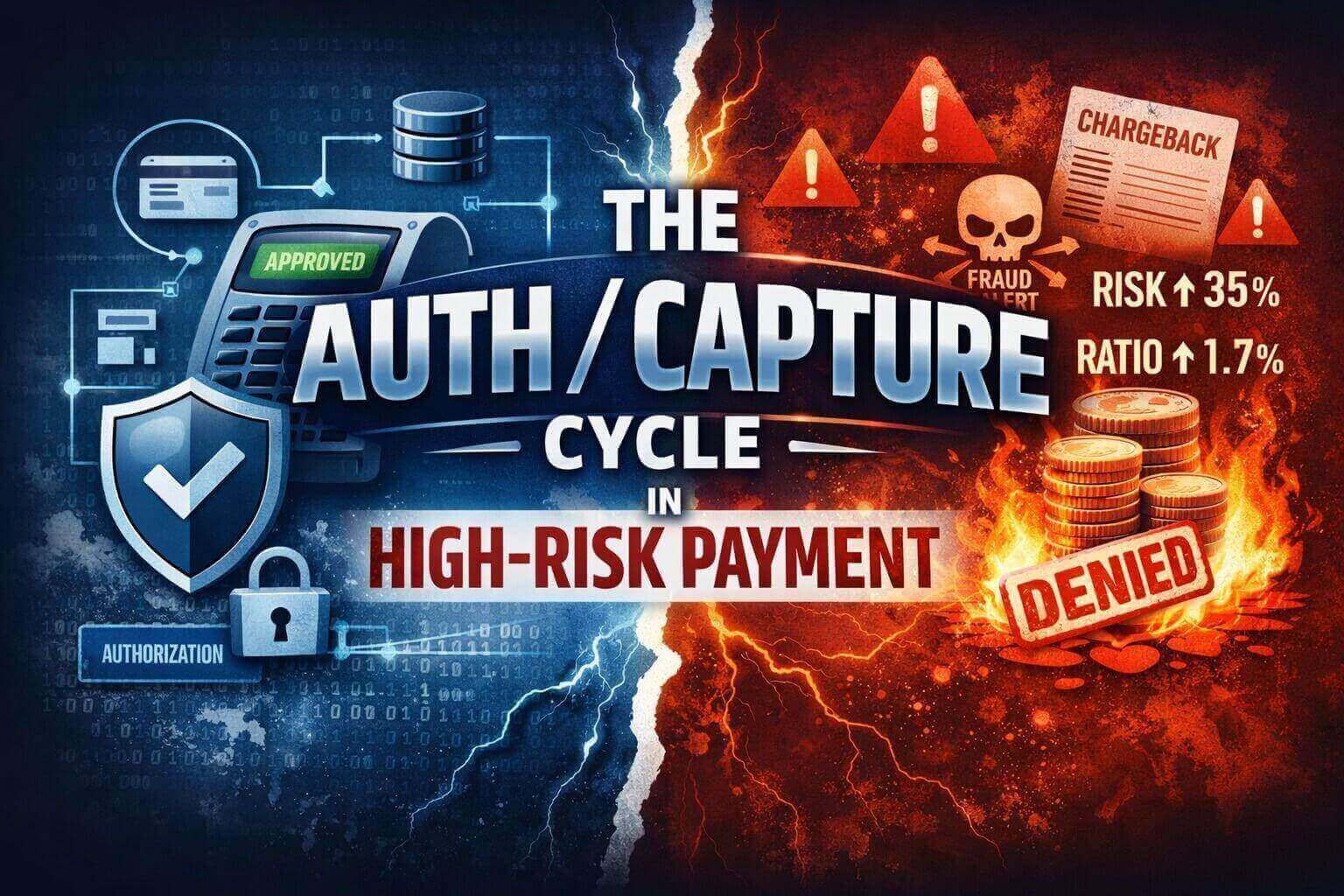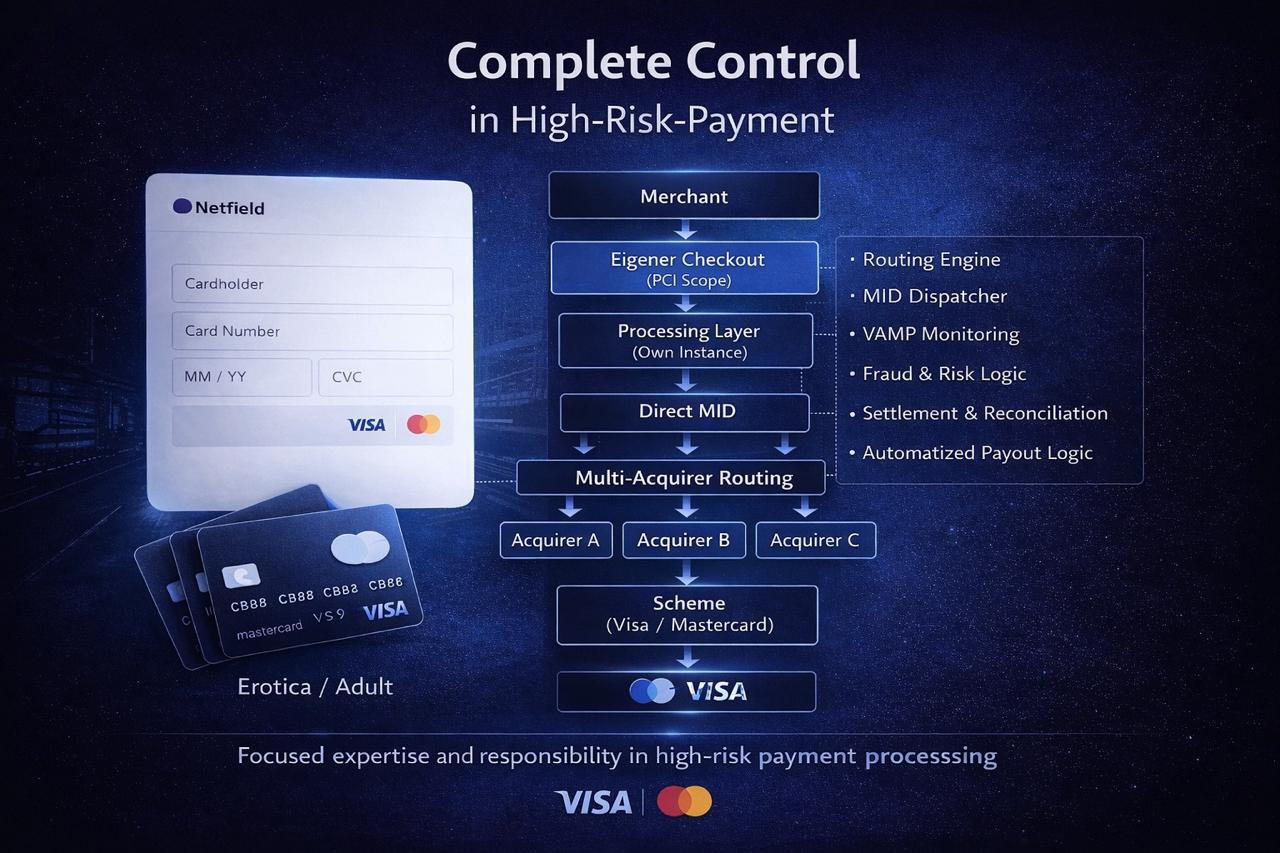
In practice, problems in Adult Payment rarely arise simply because a platform operates in a sensitive vertical. What matters far more is how payment processes are embedded into the business model from a technical, operational, and regulatory perspective. Many operators assume that choosing a single provider or integrating a few payment methods is enough to keep payment operations stable over time. In reality, that assumption often leads to fragile setups because it ignores the actual platform logic as well as the dependence on acquiring, routing, risk decisions, and recurring payment flows.
Platforms in adult content, dating, live chat, fetish, and BDSM segments do not operate with linear purchase journeys like traditional e-commerce. They process ongoing interactions, recurring charges, international transactions, and often dynamic usage models within a live platform environment. In these setups, payment is not an isolated add-on at the end of the funnel. It is an operational core component of the platform architecture. If that reality is not reflected in the payment setup from the beginning, the result is often a structure that appears to work at first, but loses stability once usage grows, transaction density increases, or risk conditions change.
That is why it is not enough to look at Adult Payment only as a question of provider choice or available payment methods. The decisive factor is whether the underlying structure is designed for real platform dynamics, sector-specific risk profiles, and controllable payment operations. A broader introduction to the topic can be found in our overview of Adult Payment. This article explains why many setups become operationally unstable despite functioning integration and which structural causes are usually behind that failure.
Payment Does Not Follow E-Commerce Logic
A key reason why many Adult Payment setups become unstable is that platforms are still often built around assumptions taken from traditional e-commerce. In that model, the flow is simple: a user buys a product, pays once, and the transaction ends. For platforms driven by ongoing usage, recurring interaction, and dynamic payment triggers, that logic does not work.
In Adult Payment, transactions do not arise in isolation. They occur inside a live operating system. Users do not pay only once; they move continuously through content, features, credits, subscriptions, or direct interactions with other users on the platform. Payment is therefore not the end of a linear purchase journey, but part of a recurring usage logic that is technically and operationally tied to the platform architecture.
This is exactly where many simple setups fail. They are designed to process individual payments cleanly, but not to manage continuous activity, multiple payment triggers, and dense transaction patterns within one controlled environment. When a platform is still operated with shop logic, rigid checkout structures, or standardized payment models, structural gaps emerge between user behavior, billing, payment control, and the real dynamics of the platform.
The result is a setup where payment may be technically integrated, but operationally does not fit the business model. These environments often appear stable at first, but they lose control as usage grows, payment frequency rises, or interactions become more complex. This becomes especially visible in sectors with an elevated risk profile, which is also typical in High Risk Payment environments.
Why Standard Solutions Fail in Adult Payment
In Adult Payment, the same pattern appears again and again in practice: payment works at first as long as transaction volume, interaction density, and payment frequency remain limited. That often leads to the false conclusion that the setup is already sustainable. In reality, a functioning integration does not prove that the underlying payment structure will remain stable under real platform conditions.
As a platform grows, the requirements change fundamentally. More users, more frequent payments, recurring charges, different countries, varying risk profiles, and increasing load all compress payment activity. Standard solutions are usually not designed for that environment. They can process individual transactions, but they offer only limited control over routing, processing logic, prioritization, acquiring structure, or the operational response to changing conditions.
This is where the structural problem begins. Platform operators may have an integrated payment system, but they often cannot actively control how payments are processed, evaluated, or distributed internally. Decisions about acceptance, decline behavior, or technical prioritization happen outside their own structure. The result is that payment may be running, but it is not truly controllable.
Under real operating conditions, this weakness becomes much more visible. Transactions are assessed inconsistently, payment flows behave unpredictably, and similar cases can produce different outcomes. Effects like these are usually not isolated technical errors. They are signs that the setup was never designed for the operational reality of a platform business.
That is why standard solutions in Adult Payment do not necessarily fail at launch. They fail when the environment moves into real, high-load operation. Anyone who wants to understand that difference must look beyond the provider and examine the underlying payment Infrastructure, where processing, control, dependencies, and resilience are actually organized.
Why Payment Setups Become Unstable
In practice, Adult Payment setups rarely collapse overnight. Instability usually begins much earlier. At first, payment flows may still appear functional, even though the first structural weaknesses are already emerging in the background. That is exactly why many operators recognize the problem only when revenue, approval rates, or overall payment stability are already being affected.
Many platforms in adult content, dating, live chat, fetish, and BDSM segments operate with systems that seem sufficient under normal conditions. As long as transaction volume, usage frequency, and payment density remain within a limited range, the setup appears stable. Only when real platform dynamics begin to scale does it become clear whether the underlying payment structure is actually resilient.
This is where the typical forms of instability start to appear. Payments are no longer processed consistently, individual flows respond with delays, and similar transactions begin producing different outcomes. Effects like these are rarely caused by one isolated error. In most cases, they indicate a setup that was technically integrated, but never built as a coherent and durable operating system.
A common weakness is that payment processes were not aligned with actual user behavior. Platforms do not generate linear purchase journeys. They generate a dense mix of interactions, recurring payments, and changing usage patterns. Systems that were not designed for this environment gradually lose controllability under load and become increasingly unreliable.
This kind of instability therefore does not begin at the moment of failure. It develops step by step during ongoing operation. Anyone who wants to understand how these processes escalate technically and operationally under real-world conditions will find a deeper classification in high risk payment processing.
Understanding Dependencies in Payment Setups
Many problems in Adult Payment do not arise from isolated technical errors, but from badly designed dependencies within the overall payment model. A large number of platforms operate with setups that effectively rely on only one processing path. As long as that path remains available, the system appears stable. But once it is restricted, re-evaluated, or placed under operational stress, there is often no reliable alternative.
That is where the structural risk begins. A platform may have payment integrated technically and still remain fully dependent on an external logic that is neither transparent nor controllable. In those models, the platform itself does not decide how payments are prioritized, processed, or rerouted. Those decisions are made through an external access point over which the operator has very limited influence. This makes the entire setup vulnerable as soon as risk decisions, bank requirements, volume patterns, or user behavior begin to change.
The critical question is therefore not whether dependencies exist. Every payment system depends on external structures in some form. The real issue is whether those dependencies are built in a one-sided way or in a structured way. One-sided setups create rigid systems without fallback logic. Structured models, by contrast, create multiple processing layers, defined fallback mechanisms, and operational control within the payment architecture itself.
In platform environments with ongoing usage, recurring billing, and elevated regulatory sensitivity, this distinction becomes essential. Any operator that wants to run payment in a stable way over time needs more than access to payment acceptance. It needs a structure in which dependencies can be controlled, distributed, and absorbed operationally. How this kind of model is bundled in practice from both an organizational and operational perspective becomes especially clear in the merchant of record model.
Provider vs. Structure in Payment
A common mistake in Adult Payment is reducing the problem to the choice of the right provider. In practice, that view is too narrow. A provider can give access to payment acceptance, but it does not automatically define how payment operates inside a complex platform model, how payment flows are controlled, or how resilient the setup really is under real operating conditions.
This is exactly where the difference between access and control becomes visible. Many platforms integrate a provider, get working checkout or billing processes, and assume that the payment question has been solved. Technically, that may appear true at first. Structurally, however, the system often remains dependent on external decisions. These may include risk decisions, processing logic, prioritization, approvals, or the handling of specific transaction patterns over which the platform operator has no direct influence.
That lack of controllability becomes especially problematic when conditions begin to change. If volume rises, user behavior shifts, the risk profile changes, or individual processing paths become more restrictive, the impact is felt immediately across the whole setup. Platforms focused only on the provider layer often have no internal operational layer from which they can actively adjust, reroute, or stabilize payment flows.
For durable setups in Adult Payment, the decisive factor is therefore not the provider alone, but the structure behind it. Only when routing, processing logic, dependencies, and operational control mechanisms are organized within a controllable architecture does a setup become more than a tool for accepting payments. The practical difference becomes especially clear in the comparison aggregator vs. payment infrastructure.
Scaling as a Stress Test for Payment Systems
Many problems in Adult Payment do not become visible at launch. They emerge when a platform starts to grow. As long as volume, interaction density, and payment frequency remain limited, many setups appear stable. That often creates a false sense of security. A setup that works under light load is not automatically built to remain resilient under real growth conditions.
As usage increases, the operational reality of the platform changes fundamentally. Individual creators, content spikes, campaigns, or user surges generate denser transaction patterns, higher payment frequency, and stronger fluctuations in system load. At that point, it becomes clear whether the platform merely has a functioning integration or whether it has a structure capable of actively controlling payment flows and keeping them stable under pressure.
The first signs of weakness are rarely complete outages. More often, they appear earlier in the form of rising decline rates, inconsistent processing, delayed flows, or uneven results in comparable transactions. In sensitive environments such as Adult Payment, these effects are operationally critical because they can directly affect revenue, user experience, and the stability of the overall business model.
A structurally resilient setup therefore needs to do far more than simply accept payments. It must be prepared for growth, able to distribute load, react to changes in the risk profile, and handle different processing situations in a controlled way. This is exactly where the difference appears between a payment model that works temporarily and an architecture that remains operationally sustainable as platform dynamics continue to intensify.
Additional requirements such as PCI DSS further amplify this effect as volume increases.
Measurable Consequences of Unstable Payment Setups
Instability in Adult Payment does not show up only on a technical level. It quickly appears in clearly measurable business metrics. The earliest warning signs often include declining approval rates, rising decline rates, increasing chargeback ratios, and inconsistent outcomes in comparable transactions. Developments like these do not affect only isolated payments. They directly impact revenue, conversion, retention, and the financial resilience of the entire platform model.
In sensitive sectors such as Adult Payment, dating, live chat, and fetish or BDSM platforms, these effects often become visible faster than in standard industries. The reason is that acquirers, bank partners, and downstream risk models usually assess transaction patterns in these environments far more strictly. When a platform operates with recurring billing, credits, dense usage behavior, or international payment flows, the operational demands on processing, monitoring, and risk control increase significantly.
In addition, setup problems rarely remain isolated. Declining approval rates can reduce revenue, while rising chargebacks may simultaneously worsen how the platform is assessed by acquirers and payment networks. This creates a negative dynamic: the setup becomes not only technically less stable, but also commercially and regulatorily more exposed. That is why in Adult Payment it is not enough to focus only on whether payments are being accepted. The decisive issue is whether the underlying structure can keep approval performance, risk exposure, and transaction processing under lasting control. A practical example of how such a structured approach can be reflected in a proprietary creator environment can also be seen in NetfieldCMS as Netfield’s own content creator platform.
Conclusion
Most problems in Adult Payment do not arise simply because a platform operates in a sensitive sector. They arise where payment is underestimated operationally and built too simplistically from a structural perspective. Any platform working with recurring payments, credits, international transactions, and dense user interaction does not need a setup that merely accepts payments. It needs an architecture that brings together processing, risk control, dependencies, scaling, and operational control.
This is exactly where the difference appears between a payment model that works temporarily and a structure that remains resilient. As long as the focus stays only on technical access to payment acceptance, the real weaknesses remain hidden. Only under real operating conditions does it become clear whether a setup can maintain approval rates, control chargebacks, respond to changing risk profiles, and support growing platform dynamics in an operationally sustainable way. In sensitive environments such as adult content, dating, live chat, fetish, or BDSM platforms, that distinction is not theoretical. It is business-critical.
For platform operators, this means that stability does not come from adding more providers, more payment methods, or faster integration. Stability emerges where payment is treated as part of the platform architecture itself and designed accordingly. The real question is not whether payments can be processed technically. The real question is whether they remain controllable, traceable, and resilient under real load, regulatory pressure, and changing market conditions.
FAQ
Why do approval rates in adult payment setups often deteriorate even when the integration works technically?
Because technical integration is not the same as operational stability. Many platforms process payments successfully at first, but lose quality once user behavior, payment frequency, risk assessment, or transaction density begin to change. In those situations, the decisive factor is not the checkout itself, but whether the underlying structure can process payments in a differentiated and stable way under changing conditions.
What role do credits, wallets, and recurring charges play in adult payment?
They change the entire payment logic. As soon as users do not just pay once, but top up credits, use wallet balances, or are billed repeatedly over time, the requirements around billing, risk control, transaction assessment, and operational processing become fundamentally different. That is why these models cannot be handled reliably through simple shop setups or purely transaction-based payment solutions.
Why are single PSP setups often not enough in platform models?
A single PSP may enable payment acceptance, but it does not replace a resilient processing structure. Platform models often require more than one technical access layer because different risk profiles, countries, volume developments, and usage patterns demand operational flexibility. Without that flexibility, the setup becomes vulnerable to restrictions, reassessments, or structural disruptions.
Why is routing more important in adult payment than in standard industries?
Because sensitive platform models react much more sharply to changes in acquiring, risk assessment, and transaction patterns. Routing is therefore not just a technical feature, but an instrument for actively steering payment flows. Without that control layer, dependence on individual processing paths increases, which weakens the stability of the overall setup.
What is the real significance of acquirers in adult payment?
Acquirers are not merely downstream payment processors. They are a central part of real payment sustainability. They influence how transactions are assessed, which models are accepted, and how risks are judged in ongoing operations. Especially in Adult Payment, the quality of the acquiring structure often determines whether a setup is only technically possible or actually durable over time.
Why do chargebacks become critical so quickly in sensitive payment environments?
Because chargebacks are never an isolated metric. They affect risk scoring, acquirer relationships, network trust, and the economic stability of the overall model. In sensitive environments, rising chargeback ratios can therefore lead to operational restrictions far more quickly than in less exposed industries.
What role does a merchant-of-record model play in unstable payment setups?
A Merchant of Record model can consolidate operational, regulatory, and structural complexity when it is combined with a resilient payment infrastructure. Its key benefit is not only the formal merchant role, but the fact that processing, risk control, billing, and operational responsibility are brought together within one consistent structure. For platforms with sensitive payment profiles, that can be a major stability factor.
How can you tell whether a payment setup is truly scalable?
Not by the fact that it works in the early stage, but by how it behaves under rising load. A scalable setup keeps approval rates stable, processes growing transaction volumes consistently, remains controllable when user behavior changes, and can absorb operational fluctuations without structural loss of control. Scalability is therefore not visible in the integration itself, but in the resilience of the system.